
Slot machines look so straightforward at first glance. You spin, the reels tumble, symbols land, and sometimes you win. But dig a little deeper, and you realize the invisible backbone of every spin is the payline. They’re like the highways your symbols travel on. And depending on how those highways are built, your game can feel smooth, chaotic, generous, or downright stingy.
I still remember the first time I sat down at a multi-line slot in a dingy bar. The machine was buzzing, and I thought, easy enough—line up three cherries and I’m rich. Then the screen lit up like a Christmas tree, coins jingled on the screen, and I had no clue what I’d actually won on. The bartender leaned over and chuckled, “That’s paylines for ya, sweetheart.” Took me another week of playing to really get what he meant.
Understanding Paylines in Slot Games
What Are Paylines and How Do They Work?
A payline is the invisible track where winning combinations have to land. In the old days—think Liberty Bell or the one-armed bandits your grandparents might have played—you only had one line. Straight across the middle. That’s it. Three bells in a row, jackpot.
Now? Slots have paylines zigzagging like a toddler with a crayon. They run diagonal, snake around, sometimes even vertical. Modern games like NetEnt’s Starburst keep it simple with 10, but others will throw 50, 100, or even hundreds of paylines at you. And then there’s Megaways, which laughs at the idea of lines entirely and says, “Here, have 117,649 ways instead.”
Difference Between Paylines, Reels, and Rows
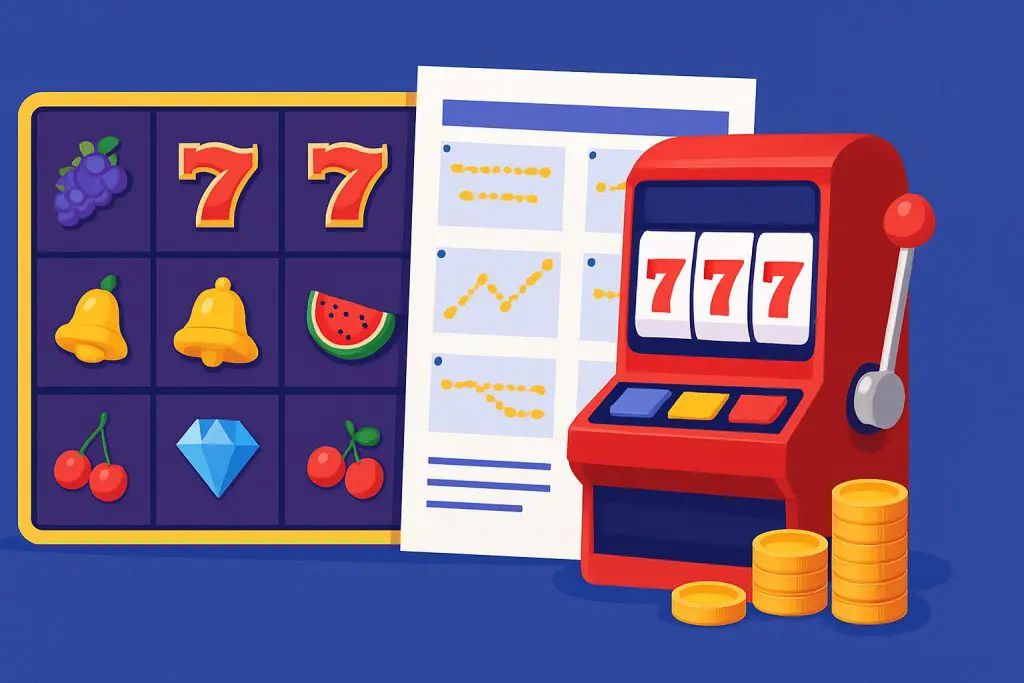
People often mix these up. Reels are the vertical strips spinning down. Rows are the horizontal slices across. Paylines are those imaginary connections weaving through reels and rows.
Think of it like this: reels are the stage, rows are the actors’ positions, and paylines are the script telling them when the story actually pays off. Without the script, you just have random actors running around on stage.
Types of Payline Structures Explained
Fixed vs Adjustable Paylines
Fixed paylines are like an all-inclusive buffet—you pay for everything whether you eat it or not. If a game has 25 lines, you’re covering all 25 every spin. Adjustable paylines, on the other hand, let you pick and choose. Maybe you only want 10 of those lines active to stretch your bankroll.
The catch? Imagine lining up five jackpot symbols on a line you didn’t activate. It’s like being invited to a wedding, skipping it, and then finding out they gave out free iPads as party favors. You’ll never forgive yourself.
Horizontal, Vertical, and Diagonal Paylines
Horizontal lines are the bread and butter. That’s what most players expect. But developers have gotten creative. You’ll sometimes see paylines that cut diagonally across the reels or zigzag like lightning bolts. I once hit a diagonal payline win on Cleopatra that I didn’t even realize existed—it was like finding $20 in an old coat pocket.
From Single-Line Slots to Multi-Line Formats
The first slots had one line. Period. Charles Fey’s Liberty Bell was as basic as it gets. But casinos and developers realized players loved more action, so we went from one line to five, to 20, then to 100. Games like Stinkin’ Rich by IGT pushed the envelope with 100 paylines, making every spin feel like a firework show.
For me, the real shift happened when I played a 50-line slot for the first time. My head spun faster than the reels, trying to track where all the winning lines were. Spoiler: I couldn’t. I just trusted the machine to sort it out.
Cluster Pays and Megaways Mechanics
Cluster pays are the rebels of the slot world. Forget paylines altogether—just connect a group of symbols, and you’re golden. Games like Reactoonz thrive on that chaos, turning spins into chain reactions.
Then there’s Megaways. It doesn’t even bother with lines. Instead, it randomizes the number of symbols per reel each spin, creating thousands of ways to win. I remember the first time I saw “117,649 ways” on the screen—I almost spit out my coffee. That kind of variety makes it feel like every spin is rewriting the rules.
How Paylines Affect Slot Strategy
Betting Across Multiple Paylines
Betting across more paylines is like casting a wider net—you’re more likely to catch something, but it costs you more bait. A 20-line slot at a penny per line still sets you back $0.20 per spin. Over an evening, that adds up.
One of my friends, a cautious player, always caps himself at 10 active lines to stretch his bankroll. He doesn’t mind missing a few wins here and there because he values time on the machine. Me? I’d rather fire on all cylinders. If a line exists, I want it active—because nothing stings like a win flashing across a dead line.
Balancing Volatility and Paylines
Here’s where things get tricky. More paylines often mean smaller, more frequent wins. Fewer paylines? Bigger payouts, but you’ll wait longer. It’s a mood thing, honestly. Some nights, you want the steady drip of small wins, like sipping wine. Other nights, you want the adrenaline of chasing a rare big hit, like slamming shots at the bar.
How Paylines Influence RTP and Variance
RTP—the theoretical Return to Player—assumes you’re betting on all lines. Play fewer lines, and you’re technically playing at a lower effective RTP. It’s kind of like buying half a lottery ticket—you’ve reduced your odds before the draw even happens.
Variance is also affected. Missed wins on inactive lines crank up your frustration and the perceived volatility. I’ve seen players slam buttons in frustration after watching a perfect combo land on a dead line. Lesson learned: if the line exists and your budget allows, keep it active.
Choosing the Right Payline Format for Your Play Style
Low-Risk Strategies for Fixed Paylines
Fixed paylines are stress-free. You don’t have to fiddle with settings, and you’ll never cry over a missed inactive line. For cautious or casual players, this setup is like autopilot. You just adjust your bet per line, sip your drink, and spin away.
I once introduced my aunt—who had never played slots before—to a fixed-payline game. She loved it. “I don’t have to think, just spin and see what happens,” she said. That’s the appeal.
Flexible Budget Play with Adjustable Lines
Adjustable paylines are the tinkerers’ paradise. You get to decide how much risk you take on every spin. Tight budget? Cut lines down. Feeling flush? Max them out.
The downside? You’ll always wonder about the “what if.” I once sat next to a guy who activated only five out of 25 lines. Of course, the jackpot hit on line 14. He muttered something under his breath that I can’t print here, but let’s just say it wasn’t pretty.
The Future of Payline Design in Slot Gaming
Dynamic Paylines and Cluster Systems
Developers aren’t done messing with payline logic. Studios like Pragmatic Play are mixing payline systems with cluster mechanics, creating hybrids where rules change mid-spin. One moment you’re on paylines, the next you’re in a cluster bonus round. It keeps you on your toes—though it can feel like you need a rulebook handy sometimes.
How Software Innovations Are Redefining Winning Lines
With HTML5 and powerful RNGs, slot makers can design whatever payline madness they dream up. Gonzo’s Quest Megaways took a beloved classic and turned it into a wild ride of shifting ways to win. And you can bet more studios will follow suit.
The trend seems to be leaning toward flexible “ways to win” models rather than rigid paylines. It’s less about lines and more about sheer possibilities—thousands, sometimes hundreds of thousands, of them.
Final Thoughts: Mastering Paylines for Smart Slot Play
Paylines aren’t just technical fluff. They’re the very structure shaping your wins, losses, and even the way you feel while playing. They determine volatility, bankroll flow, and whether you’re walking away grinning or grumbling.
I’ve sat at machines where I felt like the paylines had my back, paying out in little bursts that kept me entertained. I’ve also cursed at machines where a perfect combo landed on a dead line I’d turned off. Both moments taught me something: understanding paylines makes you a sharper player.
Sure, luck still rules the show—no payline knowledge can change that. But when you know what you’re betting on, why the math works the way it does, and how to align that with your play style, you’re no longer just spinning blindly. You’re playing smart. And maybe, just maybe, you’ll be the one chuckling while someone else mutters at a missed win.